Elevate Efficiency: Exceptional Data Center Infrastructure Management Services for Ideal Performance
Maximizing productivity in data centers is essential for organizations aiming to enhance operational output. Top Data Center Infrastructure Management (DCIM) services provide critical tools for real-time monitoring and analytics. Solutions from ServiceNow, Sunbird, Schneider Electric, and Nlyte excel in this market. These services not only track assets but also improve resource distribution. Understanding how to select the right DCIM solution can lead to significant enhancements. What factors should organizations evaluate to make an informed choice?
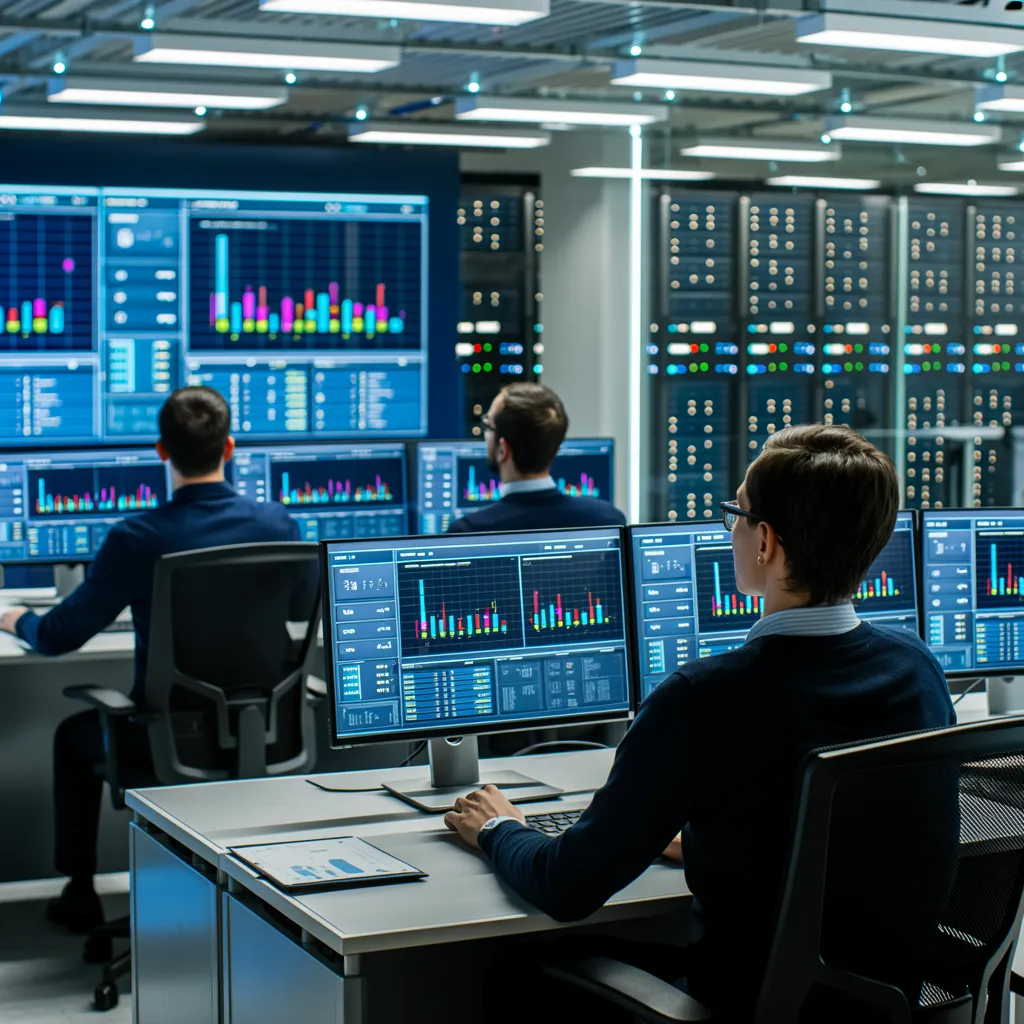
Leading DCIM Services for 2023
As organizations more and more depend on data centers to support their business activities, determining the top Data Center Infrastructure Management (DCIM) services for 2023 is vital. Top-tier DCIM services provide thorough solutions intended to enhance resource management, boost operational efficiency, and guarantee robust monitoring capabilities. Notable players in the market include ServiceNow, recognized for its integration capabilities, and Sunbird, which excels in real-time visualization and reporting. Additionally, Schneider Electric delivers a powerful platform for energy management and asset tracking.
Another key player, Nlyte, focuses on enhancing data center efficiency through sophisticated analytics. These solutions not only enable better decision-making but also assist with forecasting future needs. As data requirements continue to increase, choosing a DCIM service that provides scalability and versatility is critical. Ultimately, organizations must evaluate their specific requirements to select the most suitable DCIM service, ensuring peak performance and dependability in their data administration strategies.
Grasping Data Center Infrastructure administration (DCIM)
Data Center Infrastructure Management (DCIM) includes a collection of instruments and methodologies designed to oversee, control, and enhance data center resources. By combining IT and infrastructure oversight, DCIM provides thorough insight into the efficiency and usage of critical assets. This method enables immediate information gathering, enabling operators to make informed decisions regarding energy consumption, cooling efficiency, and space utilization.
DCIM implementations typically provide capabilities comprising inventory tracking, resource planning, and condition monitoring, which together elevate business performance. They enable data center managers to spot bottlenecks, optimize systems, and minimize financial burden. Moreover, DCIM enables strategic planning for future expansions and allows businesses to follow legal requirements. By executing proven DCIM practices, data centers can accomplish higher reliability, improved sustainability, and substantial overall performance, therefore fostering superior support services in a rapidly evolving digital landscape.
Key Attributes for Opting for Robust DCIM Solutions
Determining efficient Data Center Infrastructure Management (DCIM) services requires meticulous evaluation of vital features that boost performance and resource management. Important characteristics feature real-time observation capabilities, providing immediate awareness into energy consumption and environmental conditions. Connectivity with current systems is also critical, as seamless communication encourages a integrated methodology to data management.
Scalability is another significant characteristic, allowing organizations to adapt as their infrastructure grows and changes. Advanced analytics can provide forecasting intelligence, supporting active planning and minimizing downtime. Intuitive dashboards enhance accessibility for various stakeholders, while strong protective protocols safeguard sensitive data.
Finally, personalization features ensure that DCIM services can be tailored to meet particular business requirements. By focusing on these critical components, companies can choose DCIM services that not only enhance efficiency but also support long-term sustainability and operational success.
Identifying the Most Appropriate DCIM Option Created to meet Your Requirements?
How might an institution determine the best DCIM system designed to its individualized needs? The selection process initiates with a thorough analysis of existing infrastructure and operational requirements. Organizations should establish defined goals, such as improving uptime, improving resource utilization, or streamlining capacity planning. Additionally, evaluating scalability is important; a solution must adapt to future growth and modern advancements.
Following that, businesses must examine compatibility features. The ideal DCIM solution should function smoothly with established systems and tools. Ease of use also matters significantly; intuitive interfaces facilitate user adoption and operational efficiency.
Additionally, enterprises should examine technical support and stakeholder participation, as continuous help and resources can be critical. In the end, undertaking a cost-benefit analysis ensures that the selected solution matches with spending limits while delivering the anticipated value. By executing these guidelines, businesses can confidently select a DCIM system that meets their specific demands and boosts total effectiveness.
Implementing DCIM Utilities to Elevate Energy Efficiency
Leveraging DCIM tools can greatly enhance operational efficiency within data centers. By providing extensive insights into power consumption and thermal dynamics, these tools enable operators to identify inefficiencies and optimize resource allocation. With real-time data on power consumption, data center managers can reach informed determinations about equipment placement and thermal strategies, ensuring that energy is not lost.
DCIM solutions also facilitate automation in monitoring and managing power loads, allowing for flexible modifications based on current demand. This adaptability can lead to significant reductions in energy costs. In addition, intelligent analytics within DCIM tools can detect areas for further improvement, supporting forward-thinking approaches rather than reactive fixes.
Embedding these solutions into daily operations builds a mindset of continuous improvement, ultimately driving toward a more sustainable data center environment. The consequence is not merely enhanced efficiency but also a reduced carbon footprint, aligning with comprehensive sustainability targets.
Immediate Observation : The Essential Base of DCIM Success
Real-time tracking works as a vital factor in the accomplishment of Data Center Infrastructure Management (DCIM). By offering advanced performance indicators, it facilitates forward-thinking problem detection and enhancement of resource utilization. This capacity in the end produces superior operational effectiveness and stability within data centers.
Enhanced Performance Measurements
Assessing data center operational status constitutes an urgent requirement for enhancing performance levels and guaranteeing dependability. Advanced operational benchmarks convey mission-critical data concerning broad infrastructure domains, incorporating energy consumption standards, thermal regulation success, and equipment allocation. Via tapping into streaming data sources, business organizations can gauge their system durability and responsiveness, enabling data-driven decisions. Monitoring indicators like server accessibility, transmission delays, and processing throughput prove useful in pattern identification and establishing resource forecasts. Simultaneously, these measures build team accountability, establishing direction for strategic efforts and budget allocation. Recurring data evaluation of operational metrics assists with external comparison versus standard metrics and nurtures a culture supporting ongoing evolution. At its core, superior performance indicators function as a foundational basis in robust infrastructure administration, yielding operational superiority and competitive advantage.
Active Issue Monitoring
Proactive issue detection is crucial in ensuring the stability of data center operations. By employing real-time monitoring tools, data centers can spot emerging issues before escalation into major malfunctions. This framework enables teams to respond rapidly to anomalies in temperature, power consumption, and equipment performance. Continuous observation secures that any deviations from established norms are identified without delay, allowing for timely interventions. As a outcome, the overall robustness of the system architecture is enhanced, minimizing operational disruptions and preserving service standards. Moreover, proactive detection leads to data-driven choices regarding upkeep planning and resource allocation, fundamentally optimizing workflow productivity. Dedicating funds in powerful surveillance technology is indispensable for sustaining maximum output in current era's complex data environments.
Material Application Enhancement
Successful management of a data center's resources depends on the capacity to continuously track and analyze operational metrics. Real-time monitoring serves as the foundation for improving resource utilization, enabling data center managers to identify inefficiencies and distribute assets effectively. By utilizing advanced DCIM tools, organizations can gather essential information on power consumption, cooling efficiency, and workload distribution. This data allows for more knowledgeable decision-making, ensuring that resources are employed to their fullest potential. Additionally, real-time analytics enable immediate reactions to changing demands, reducing waste and boosting overall performance. Ultimately, effective resource utilization optimization not only improves operational efficiency but also supports sustainability goals, making it a vital component of modern data center management strategies.
Upcoming Patterns in Data Center Facility Management
As data centers adapt to meet increasing requirements for optimization and performance, emerging trends in Data Center Infrastructure Management (DCIM) are transforming the landscape. One significant development is the incorporation of artificial intelligence (AI) and machine learning, which enhances predictive analytics for capacity planning and energy management. These solutions allow live tracking and automatic interventions to potential issues, greatly reducing downtime.
Furthermore, the embrace of edge computing is driving a shift in DCIM tactics, as enterprises seek to process data closer to its source for improved speed and efficiency. This necessitates cutting-edge operational systems to copyright performance across distributed environments.
Sustainability is also at the leading edge, with an emphasis on reducing carbon footprints and enhancing resource consumption. Finally, the rise of hybrid cloud solutions demands more advanced DCIM systems that can effortlessly manage both on-premises and cloud resources, providing maximum operational efficiency.
Often Asked Questions
How Do I link DCIM With Existing Data Center Infrastructure?
To integrate DCIM with existing data center systems, one should assess current infrastructure, guarantee compatibility, deploy APIs for data exchange, and perform thorough testing to verify seamless operation and improved management capabilities across platforms.
What Is the Average Cost of Deploying DCIM Solutions?
The average cost of deploying DCIM solutions typically ranges between $20,000 and $150,000, based on the size of the data center, the intricacy of the systems, and the specific features needed for optimal management.
Are certain regulatory requirements required for DCIM Services?
Indeed, specific compliance standards check article are necessary for DCIM services, such as ISO 27001 for data protection, PCI DSS for payment card industry standards, and multiple environmental guidelines that direct power consumption optimization and eco-friendly operations within data centers.
How often Should I Upgrade My DCIM Software?
DCIM software maintenance should occur at least once per year, though quarterly updates are recommended to deliver excellent functionality, security advancements, and compliance with updated requirements. Systematic reviews help determine when updates are required for unique business requirements.
Can DCIM Platforms Aid Crisis Management Planning?
DCIM tools provide considerable help in disaster recovery planning through real-time monitoring, inventory control, and contingency modeling. This makes certain that computing facilities are adequately prepared for potential disruptions, improving overall robustness and contingency approaches.